Support our educational content for free when you purchase through links on our site. Learn more
10 Sustainable Aquarium Practices to Transform Your Tank in 2026 🌿

Imagine crafting an aquarium that’s not just a stunning centerpiece but also a beacon of environmental responsibility. At Aquarium Music™, we’ve witnessed firsthand how small, mindful changes can ripple out to make a big impact—both inside your tank and beyond. Did you know that over 90% of wild fish populations are fished at or beyond sustainable limits? While that statistic often refers to food fisheries, the ornamental fish trade shares similar challenges. That’s why embracing sustainable aquarium practices isn’t just a hobby upgrade—it’s a commitment to protecting aquatic ecosystems worldwide.
In this comprehensive guide, we’ll dive deep into 10 essential sustainable practices that every aquarist should know. From selecting captive-bred fish and eco-friendly plants to optimizing energy use and reducing waste, we’ll equip you with expert tips, real-world examples, and trusted resources. Curious how your choice of fish or lighting can help conserve water and energy? Or how aquascaping with native plants can reduce your carbon footprint? Stick around—we’ll unravel these mysteries and more, turning your aquarium into a thriving, sustainable aquatic symphony.
Key Takeaways
- Prioritize captive-bred and aquacultured fish and plants to reduce pressure on wild populations and support ethical sourcing.
- Incorporate live aquatic plants for natural filtration, oxygenation, and algae control, minimizing chemical use and water changes.
- Upgrade to energy-efficient equipment like LED lighting and smart heaters to lower your aquarium’s carbon footprint.
- Practice water conservation by reusing aquarium water for plants and optimizing water change schedules.
- Reduce plastic waste and support sustainable brands committed to transparency and eco-friendly practices.
Ready to transform your aquarium into a sustainable masterpiece? Let’s dive in!
Table of Contents
- ⚡️ Quick Tips and Facts About Sustainable Aquarium Practices
- 🌿 The Evolution of Eco-Friendly Aquarium Keeping: A Sustainable History
- 🌍 Why Sustainability Matters in Aquarium Hobby and Industry
- ♻️ 10 Essential Sustainable Aquarium Practices for Every Aquarist
- 1. Choosing Responsibly Sourced Fish and Invertebrates
- 2. Sustainable Aquatic Plant Selection and Cultivation
- 3. Energy-Efficient Aquarium Equipment and Lighting
- 4. Water Conservation and Recycling Techniques
- 5. Eco-Friendly Filtration and Biological Balance
- 6. Organic and Sustainable Fish Food Options
- 7. Minimizing Plastic and Waste in Aquarium Maintenance
- 8. DIY Sustainable Aquarium Decor and Substrates
- 9. Supporting Conservation and Breeding Programs
- 10. Community Engagement and Education on Sustainability
- 🌱 Green Innovations: How AZA-Accredited Aquariums Lead Sustainable Practices
- 🏆 The AZA Green Award: Recognizing Excellence in Aquarium Sustainability
- 📊 A Snapshot of Global Sustainable Aquarium Trends and Impact
- 🤝 Helping Hobbyists and Professionals Meet Their Sustainability Goals
- 💡 Expert Tips for Transitioning to a Sustainable Aquarium Setup
- 🔍 Debunking Myths About Sustainable Aquarium Keeping
- 🌐 Sustainable Aquarium Practices Around the World: Case Studies
- 🛠️ Tools and Resources for Sustainable Aquarium Enthusiasts
- 📚 Recommended Reading and Online Communities for Sustainable Aquarists
- 🔚 Conclusion: Making Your Aquarium a Model of Sustainability
- 🔗 Recommended Links for Sustainable Aquarium Practices
- ❓ FAQ: Your Top Questions About Sustainable Aquarium Practices Answered
- 📑 Reference Links and Further Research
⚡️ Quick Tips and Facts About Sustainable Aquarium Practices
Hey there, fellow aquarists and aquascapers! At Aquarium Music™, we’re all about creating breathtaking aquatic worlds, but we’re also deeply committed to ensuring those worlds don’t come at the expense of our planet. Sustainable aquarium practices aren’t just a trend; they’re a vital shift towards responsible fish keeping that benefits both your aquatic inhabitants and the wider environment. Ready to dive into some quick, actionable wisdom? Let’s go! 🐠🌱
Here are some rapid-fire facts and tips to get your eco-friendly aquarium journey started:
- Choose Wisely: Always opt for captive-bred fish and invertebrates over wild-caught whenever possible. It reduces pressure on wild populations and often results in hardier specimens. ✅
- Plant Power: Embrace live aquatic plants! They naturally filter water, oxygenate the tank, and provide shelter for your fish, reducing the need for chemical filtration and frequent water changes. Think of them as your tank’s tiny, green lungs! 🌿
- Energy Efficiency is Key: Upgrade to LED lighting and energy-efficient heaters and pumps. Your electricity bill (and the planet) will thank you. 💡
- Water Conservation: Implement smart water change routines. Consider using the drained aquarium water for your houseplants – it’s packed with nutrients! 💧
- Reduce, Reuse, Recycle: Minimize plastic waste. Buy in bulk, reuse containers, and properly dispose of old equipment. ♻️
- Research, Research, Research: Before adding any new species, understand its needs, origins, and potential impact. As the first YouTube video we’ll discuss later wisely advises, “Please, always, always, always do your research before adding any species into your aquarium.” 📚
- Support Sustainable Brands: Look for companies committed to ethical sourcing and eco-friendly manufacturing.
- Avoid Overfeeding: This is a huge one! Overfeeding leads to poor water quality, algae blooms, and unhealthy fish. Feed small amounts, frequently. ❌
🌿 The Evolution of Eco-Friendly Aquarium Keeping: A Sustainable History

Remember the good old days? Or perhaps, the not-so-good old days, when aquarium keeping was often a bit of a wild west? For decades, the focus was primarily on aesthetics and species acquisition, often with little thought given to the broader environmental impact. We’d see massive tanks filled with wild-caught specimens, energy-guzzling equipment, and a general lack of awareness about the ecological footprint of our beloved hobby.
But just like fashion trends, the aquarium world evolves! The late 20th and early 21st centuries brought a growing global consciousness about environmental issues. Climate change, habitat destruction, and species depletion started making headlines, and it wasn’t long before the spotlight turned to industries and hobbies that relied heavily on natural resources. The aquarium hobby, with its reliance on aquatic life and water, was no exception.
Early pioneers in the sustainable movement began advocating for captive breeding programs, challenging the ethics of mass wild collection, especially for delicate marine species. The rise of organizations like the Marine Aquarium Council (MAC), though it faced its own challenges, was an early attempt to certify sustainable collection practices. Simultaneously, advancements in technology, particularly the advent of affordable and powerful LED aquarium lights, started making energy efficiency a tangible reality for hobbyists.
Today, the conversation has broadened significantly. It’s not just about where your fish come from; it’s about the entire lifecycle of your aquarium. From the energy powering your filters to the materials in your decorations, every choice has an impact. We’ve moved from simply keeping fish to actively stewarding miniature ecosystems, understanding that our small glass boxes are reflections of the larger aquatic world. It’s a journey, not a destination, and we’re thrilled you’re joining us on it!
🌍 Why Sustainability Matters in Aquarium Hobby and Industry
So, why all the fuss about sustainable aquarium practices? Is it just about feeling good, or is there a deeper, more urgent reason? At Aquarium Music™, we believe it’s profoundly important, and here’s why:
Our planet’s aquatic ecosystems are under immense pressure. From coral reefs to freshwater rivers, habitats are shrinking, pollution is rampant, and countless species face extinction. The aquarium hobby, while bringing immense joy and educational value, can inadvertently contribute to these problems if not practiced responsibly.
Consider the insights from the Monterey Bay Aquarium’s “The Challenge” article, which starkly outlines the impact of seafood production on ocean health. While our hobby isn’t directly “seafood production,” many of the underlying issues are eerily similar:
- Overfishing/Over-collection: Just like commercial fishing can deplete wild fish populations, irresponsible collection of ornamental fish and corals can decimate specific reef or river ecosystems. “90% of fish populations are fished at or beyond sustainable limits,” they state, and while this refers to food fish, the principle applies to ornamental species too.
- Habitat Damage: Destructive collection methods, like using cyanide to stun fish, can irreparably harm coral reefs. Even the removal of certain species can disrupt delicate ecological balances.
- Bycatch: While less prevalent in ornamental collection than in large-scale fishing, non-target species can still be caught and discarded.
- Chemicals and Pollution: The use of chemicals in fish farming or collection, and the waste generated by large-scale aquaculture, can pollute waterways. Similarly, improper disposal of aquarium chemicals or medications by hobbyists can harm local environments.
- Illegal, Unreported, and Unregulated (IUU) Fishing/Collection: This is a massive problem in the ornamental trade, leading to unsustainable practices and often linked to unethical labor. “Up to 26 million tons of fish are lost annually to IUU fishing,” and while this is commercial, the ornamental trade has its own dark corners.
- Climate Change: Rising ocean temperatures and acidification affect all aquatic life, including the species we cherish in our tanks. By reducing our energy consumption and carbon footprint, we contribute to mitigating these larger threats.
“The way some seafood products are caught or farmed can affect ocean health,” Monterey Bay Aquarium reminds us, and we extend that sentiment to the ornamental trade. Every choice we make, from the fish we buy to the electricity we consume, has a ripple effect. By embracing sustainable aquarium practices, we’re not just being “green”; we’re actively participating in ocean conservation and environmental responsibility, ensuring that the beauty of aquatic life can be enjoyed for generations to come. It’s about aligning our passion with our principles.
♻️ 10 Essential Sustainable Aquarium Practices for Every Aquarist
Alright, let’s get down to brass tacks! You’re convinced sustainability is crucial, but how do you actually do it? Don’t worry, we’ve got you covered. Here at Aquarium Music™, we’ve distilled years of experience into these 10 essential practices that every aquarist, from beginner to seasoned pro, can adopt. Think of this as your eco-friendly aquarium manifesto!
1. Choosing Responsibly Sourced Fish and Invertebrates
This is arguably the most impactful choice you can make. The origin of your aquatic inhabitants directly affects wild populations and ecosystems.
Wild-Caught vs. Captive-Bred: The Ethical Dilemma
- Wild-Caught: Historically, most aquarium fish and corals were collected from the wild. While some collection can be done sustainably, much of it isn’t. Destructive methods like cyanide fishing (especially prevalent in parts of Southeast Asia for marine fish) devastate coral reefs and often result in fish that are already compromised before they even reach your tank. The Monterey Bay Aquarium highlights how “some fishing and farming methods damage habitats, deplete species, increase pollution, and harm unfished animals.” This applies directly to the ornamental trade.
- Captive-Bred (or Aquacultured): This is the gold standard! Fish and invertebrates bred in captivity alleviate pressure on wild populations. They are often hardier, healthier, and already accustomed to aquarium life and prepared foods. Plus, you’re not contributing to the carbon footprint of transporting them across continents from their natural habitat.
What to Look For: Certifications and Transparency
Unfortunately, there isn’t one universal “sustainable aquarium fish” certification yet, but progress is being made.
- Marine Aquarium Council (MAC): While MAC certification has faced challenges and is less active than it once was, some retailers still refer to its principles. It aimed to certify sustainable collection and chain of custody.
- Aquaculture Stewardship Council (ASC) & Marine Stewardship Council (MSC): While primarily focused on seafood, these organizations set standards for responsible aquaculture and wild fisheries. Their principles of traceability and environmental impact reduction are highly relevant. “Certification programs… promote transparency,” notes Monterey Bay Aquarium.
- Local Breeders & Hobbyists: Buying from local breeders or fellow hobbyists is fantastic! You often get healthier, captive-bred specimens, reduce shipping stress, and support your local community.
- Ask Questions! Don’t be shy. Ask your local fish store (LFS) where their fish come from. Do they know their suppliers? Do they prioritize captive-bred? A good LFS will be transparent and proud of their sourcing.
Our Expert Recommendation:
Always prioritize captive-bred or aquacultured species. For freshwater, this is often easier with popular species like Guppies, Platies, Mollies, many Cichlids, and even some Plecos. For saltwater, look for aquacultured clownfish, gobies, dottybacks, and corals. Brands like Oceans, Reefs & Aquariums (ORA) are renowned for their extensive range of aquacultured marine fish and corals.
CHECK OUT ORA’s offerings:
- ORA Aquacultured Fish: Bulk Reef Supply | Marine Depot | ORA Official Website
- ORA Aquacultured Corals: Bulk Reef Supply | Marine Depot | ORA Official Website
2. Sustainable Aquatic Plant Selection and Cultivation
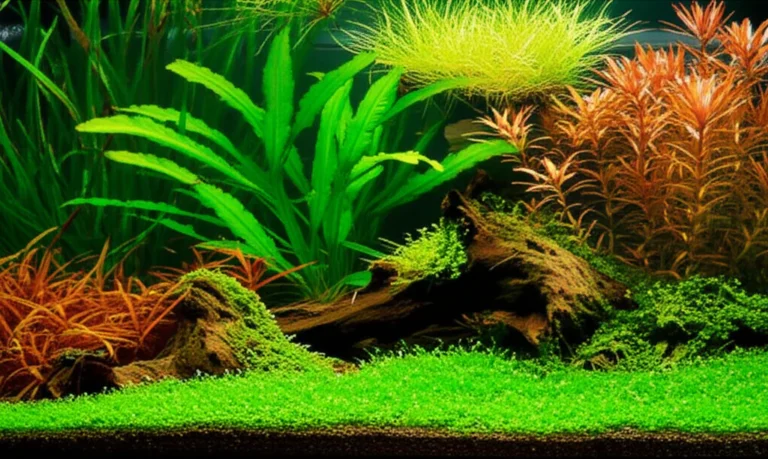
Live plants are the unsung heroes of a sustainable aquarium. They’re not just pretty; they’re powerhouse natural filters!
The Benefits of a Planted Tank:
- Natural Filtration: Plants absorb nitrates, phosphates, and other waste products, improving water quality and reducing the frequency of water changes. This directly contributes to water conservation.
- Oxygenation: Through photosynthesis, plants release oxygen into the water, benefiting your fish.
- Habitat & Shelter: They provide hiding spots and reduce stress for fish, mimicking natural environments.
- Algae Control: Healthy plant growth outcompetes algae for nutrients, keeping your tank cleaner.
- Aesthetics: Let’s be honest, a lush, green aquascape is simply stunning! If you’re looking for inspiration, check out our article on 35 Small Fish Tank Ideas to Transform Your Space in 2026 🐠.
Choosing Sustainable Plants:
- Farm-Grown vs. Wild-Collected: Similar to fish, prioritize farm-grown or tissue-cultured plants. Many aquatic plants are harvested from wetlands, and unsustainable collection can damage these delicate ecosystems. Brands like Tropica and Dennerle offer high-quality, farm-grown, and often tissue-cultured plants.
- Low-Maintenance Varieties: For beginners or those aiming for a truly low-impact tank, choose plants that don’t demand high lighting or CO2 injection. This reduces energy consumption and the need for additional equipment.
Our Top Plant Picks for Sustainability (and Ease!):
The first YouTube video we mentioned earlier offers some fantastic insights into creating a low-maintenance, plant-heavy setup. We wholeheartedly agree with many of their recommendations:
⚡️ Quick Tips and Facts About Sustainable Aquarium Practices
Hey there, fellow aquarists and aquascapers! At Aquarium Music™, we’re all about creating breathtaking aquatic worlds, but we’re also deeply committed to ensuring those worlds don’t come at the expense of our planet. Sustainable aquarium practices aren’t just a trend; they’re a vital shift towards responsible fish keeping that benefits both your aquatic inhabitants and the wider environment. Ready to dive into some quick, actionable wisdom? Let’s go! 🐠🌱
Here are some rapid-fire facts and tips to get your eco-friendly aquarium journey started:
- Choose Wisely: Always opt for captive-bred fish and invertebrates over wild-caught whenever possible. It reduces pressure on wild populations and often results in hardier specimens. ✅
- Plant Power: Embrace live aquatic plants! They naturally filter water, oxygenate the tank, and provide shelter for your fish, reducing the need for chemical filtration and frequent water changes. Think of them as your tank’s tiny, green lungs! 🌿 For more on how plants can transform your space, check out our insights on Aquascaping and Aquatic Plants.
- Energy Efficiency is Key: Upgrade to LED lighting and energy-efficient heaters and pumps. Your electricity bill (and the planet) will thank you. 💡
- Water Conservation: Implement smart water change routines. Consider using the drained aquarium water for your houseplants – it’s packed with nutrients! 💧 For detailed guidance on maintaining your tank, visit our Tank Maintenance section.
- Reduce, Reuse, Recycle: Minimize plastic waste. Buy in bulk, reuse containers, and properly dispose of old equipment. ♻️
- Research, Research, Research: Before adding any new species, understand its needs, origins, and potential impact. As the first YouTube video we’ll discuss later wisely advises, “Please, always, always, always do your research before adding any species into your aquarium.” 📚 For comprehensive species information, explore our Fish Care and Species Profiles.
- Support Sustainable Brands: Look for companies committed to ethical sourcing and eco-friendly manufacturing.
- Avoid Overfeeding: This is a huge one! Overfeeding leads to poor water quality, algae blooms, and unhealthy fish. Feed small amounts, frequently. ❌
🌿 The Evolution of Eco-Friendly Aquarium Keeping: A Sustainable History

Remember the good old days? Or perhaps, the not-so-good old days, when aquarium keeping was often a bit of a wild west? For decades, the focus was primarily on aesthetics and species acquisition, often with little thought given to the broader environmental impact. We’d see massive tanks filled with wild-caught specimens, energy-guzzling equipment, and a general lack of awareness about the ecological footprint of our beloved hobby.
But just like fashion trends, the aquarium world evolves! The late 20th and early 21st centuries brought a growing global consciousness about environmental issues. Climate change, habitat destruction, and species depletion started making headlines, and it wasn’t long before the spotlight turned to industries and hobbies that relied heavily on natural resources. The aquarium hobby, with its reliance on aquatic life and water, was no exception.
Early pioneers in the sustainable movement began advocating for captive breeding programs, challenging the ethics of mass wild collection, especially for delicate marine species. The rise of organizations like the Marine Aquarium Council (MAC), though it faced its own challenges, was an early attempt to certify sustainable collection practices. Simultaneously, advancements in technology, particularly the advent of affordable and powerful LED aquarium lights, started making energy efficiency a tangible reality for hobbyists.
Today, the conversation has broadened significantly. It’s not just about where your fish come from; it’s about the entire lifecycle of your aquarium. From the energy powering your filters to the materials in your decorations, every choice has an impact. We’ve moved from simply keeping fish to actively stewarding miniature ecosystems, understanding that our small glass boxes are reflections of the larger aquatic world. It’s a journey, not a destination, and we’re thrilled you’re joining us on it! For more on setting up your tank, explore our Aquarium Setup guides.
🌍 Why Sustainability Matters in Aquarium Hobby and Industry
So, why all the fuss about sustainable aquarium practices? Is it just about feeling good, or is there a deeper, more urgent reason? At Aquarium Music™, we believe it’s profoundly important, and here’s why:
Our planet’s aquatic ecosystems are under immense pressure. From coral reefs to freshwater rivers, habitats are shrinking, pollution is rampant, and countless species face extinction. The aquarium hobby, while bringing immense joy and educational value, can inadvertently contribute to these problems if not practiced responsibly.
Consider the insights from the Monterey Bay Aquarium’s “The Challenge” article, which starkly outlines the impact of seafood production on ocean health. While our hobby isn’t directly “seafood production,” many of the underlying issues are eerily similar:
- Overfishing/Over-collection: Just like commercial fishing can deplete wild fish populations, irresponsible collection of ornamental fish and corals can decimate specific reef or river ecosystems. “90% of fish populations are fished at or beyond sustainable limits,” they state, and while this refers to food fish, the principle applies to ornamental species too.
- Habitat Damage: Destructive collection methods, like using cyanide to stun fish, can irreparably harm coral reefs. Even the removal of certain species can disrupt delicate ecological balances.
- Bycatch: While less prevalent in ornamental collection than in large-scale fishing, non-target species can still be caught and discarded.
- Chemicals and Pollution: The use of chemicals in fish farming or collection, and the waste generated by large-scale aquaculture, can pollute waterways. Similarly, improper disposal of aquarium chemicals or medications by hobbyists can harm local environments.
- Illegal, Unreported, and Unregulated (IUU) Fishing/Collection: This is a massive problem in the ornamental trade, leading to unsustainable practices and often linked to unethical labor. “Up to 26 million tons of fish are lost annually to IUU fishing,” and while this is commercial, the ornamental trade has its own dark corners.
- Climate Change: Rising ocean temperatures and acidification affect all aquatic life, including the species we cherish in our tanks. By reducing our energy consumption and carbon footprint, we contribute to mitigating these larger threats.
“The way some seafood products are caught or farmed can affect ocean health,” Monterey Bay Aquarium reminds us, and we extend that sentiment to the ornamental trade. Every choice we make, from the fish we buy to the electricity we consume, has a ripple effect. By embracing sustainable aquarium practices, we’re not just being “green”; we’re actively participating in ocean conservation and environmental responsibility, ensuring that the beauty of aquatic life can be enjoyed for generations to come. It’s about aligning our passion with our principles. For more on the aquatic life we cherish, explore our Fish and Aquatic Life section.
♻️ 10 Essential Sustainable Aquarium Practices for Every Aquarist
Alright, let’s get down to brass tacks! You’re convinced sustainability is crucial, but how do you actually do it? Don’t worry, we’ve got you covered. Here at Aquarium Music™, we’ve distilled years of experience into these 10 essential practices that every aquarist, from beginner to seasoned pro, can adopt. Think of this as your eco-friendly aquarium manifesto!
1. Choosing Responsibly Sourced Fish and Invertebrates
This is arguably the most impactful choice you can make. The origin of your aquatic inhabitants directly affects wild populations and ecosystems.
Wild-Caught vs. Captive-Bred: The Ethical Dilemma
- Wild-Caught: Historically, most aquarium fish and corals were collected from the wild. While some collection can be done sustainably, much of it isn’t. Destructive methods like cyanide fishing (especially prevalent in parts of Southeast Asia for marine fish) devastate coral reefs and often result in fish that are already compromised before they even reach your tank. The Monterey Bay Aquarium highlights how “some fishing and farming methods damage habitats, deplete species, increase pollution, and harm unfished animals.” This applies directly to the ornamental trade.
- Captive-Bred (or Aquacultured): This is the gold standard! Fish and invertebrates bred in captivity alleviate pressure on wild populations. They are often hardier, healthier, and already accustomed to aquarium life and prepared foods. Plus, you’re not contributing to the carbon footprint of transporting them across continents from their natural habitat.
What to Look For: Certifications and Transparency
Unfortunately, there isn’t one universal “sustainable aquarium fish” certification yet, but progress is being made.
- Marine Aquarium Council (MAC): While MAC certification has faced challenges and is less active than it once was, some retailers still refer to its principles. It aimed to certify sustainable collection and chain of custody.
- Aquaculture Stewardship Council (ASC) & Marine Stewardship Council (MSC): While primarily focused on seafood, these organizations set standards for responsible aquaculture and wild fisheries. Their principles of traceability and environmental impact reduction are highly relevant. “Certification programs… promote transparency,” notes Monterey Bay Aquarium.
- Local Breeders & Hobbyists: Buying from local breeders or fellow hobbyists is fantastic! You often get healthier, captive-bred specimens, reduce shipping stress, and support your local community.
- Ask Questions! Don’t be shy. Ask your local fish store (LFS) where their fish come from. Do they know their suppliers? Do they prioritize captive-bred? A good LFS will be transparent and proud of their sourcing.
Our Expert Recommendation:
Always prioritize captive-bred or aquacultured species. For freshwater, this is often easier with popular species like Guppies, Platies, Mollies, many Cichlids, and even some Plecos. For saltwater, look for aquacultured clownfish, gobies, dottybacks, and corals. Brands like Oceans, Reefs & Aquariums (ORA) are renowned for their extensive range of aquacultured marine fish and corals.
CHECK OUT ORA’s offerings:
- ORA Aquacultured Fish: Bulk Reef Supply | Marine Depot | ORA Official Website
- ORA Aquacultured Corals: Bulk Reef Supply | Marine Depot | ORA Official Website
2. Sustainable Aquatic Plant Selection and Cultivation
Live plants are the unsung heroes of a sustainable aquarium. They’re not just pretty; they’re powerhouse natural filters!
The Benefits of a Planted Tank:
- Natural Filtration: Plants absorb nitrates, phosphates, and other waste products, improving water quality and reducing the frequency of water changes. This directly contributes to water conservation.
- Oxygenation: Through photosynthesis, plants release oxygen into the water, benefiting your fish.
- Habitat & Shelter: They provide hiding spots and reduce stress for fish, mimicking natural environments.
- Algae Control: Healthy plant growth outcompetes algae for nutrients, keeping your tank cleaner.
- Aesthetics: Let’s be honest, a lush, green aquascape is simply stunning! If you’re looking for inspiration, check out our article on 35 Small Fish Tank Ideas to Transform Your Space in 2026 🐠.
Choosing Sustainable Plants:
- Farm-Grown vs. Wild-Collected: Similar to fish, prioritize farm-grown or tissue-cultured plants. Many aquatic plants are harvested from wetlands, and unsustainable collection can damage these delicate ecosystems. Brands like Tropica and Dennerle offer high-quality, farm-grown, and often tissue-cultured plants.
- Low-Maintenance Varieties: For beginners or those aiming for a truly low-impact tank, choose plants that don’t demand high lighting or CO2 injection. This reduces energy consumption and the need for additional equipment.
Our Top Plant Picks for Sustainability (and Ease!):
The first YouTube video we mentioned earlier offers some fantastic insights into creating a low-maintenance, plant-heavy setup. We wholeheartedly agree with many of their recommendations, especially the emphasis on plants that don’t require constant fuss. While a “fully self-sustaining ecosystem” is a “slippery, slippery slope” as the video points out, these plants get you darn close to minimal intervention!
⚡️ Quick Tips and Facts About Sustainable Aquarium Practices
Hey there, fellow aquarists and aquascapers! At Aquarium Music™, we’re all about creating breathtaking aquatic worlds, but we’re also deeply committed to ensuring those worlds don’t come at the expense of our planet. Sustainable aquarium practices aren’t just a trend; they’re a vital shift towards responsible fish keeping that benefits both your aquatic inhabitants and the wider environment. Ready to dive into some quick, actionable wisdom? Let’s go! 🐠🌱
Here are some rapid-fire facts and tips to get your eco-friendly aquarium journey started:
- Choose Wisely: Always opt for captive-bred fish and invertebrates over wild-caught whenever possible. It reduces pressure on wild populations and often results in hardier specimens. ✅
- Plant Power: Embrace live aquatic plants! They naturally filter water, oxygenate the tank, and provide shelter for your fish, reducing the need for chemical filtration and frequent water changes. Think of them as your tank’s tiny, green lungs! 🌿 For more on how plants can transform your space, check out our insights on Aquascaping and Aquatic Plants.
- Energy Efficiency is Key: Upgrade to LED lighting and energy-efficient heaters and pumps. Your electricity bill (and the planet) will thank you. 💡
- Water Conservation: Implement smart water change routines. Consider using the drained aquarium water for your houseplants – it’s packed with nutrients! 💧 For detailed guidance on maintaining your tank, visit our Tank Maintenance section.
- Reduce, Reuse, Recycle: Minimize plastic waste. Buy in bulk, reuse containers, and properly dispose of old equipment. ♻️
- Research, Research, Research: Before adding any new species, understand its needs, origins, and potential impact. As the first YouTube video we’ll discuss later wisely advises, “Please, always, always, always do your research before adding any species into your aquarium.” 📚 For comprehensive species information, explore our Fish Care and Species Profiles.
- Support Sustainable Brands: Look for companies committed to ethical sourcing and eco-friendly manufacturing.
- Avoid Overfeeding: This is a huge one! Overfeeding leads to poor water quality, algae blooms, and unhealthy fish. Feed small amounts, frequently. ❌
🌿 The Evolution of Eco-Friendly Aquarium Keeping: A Sustainable History

Remember the good old days? Or perhaps, the not-so-good old days, when aquarium keeping was often a bit of a wild west? For decades, the focus was primarily on aesthetics and species acquisition, often with little thought given to the broader environmental impact. We’d see massive tanks filled with wild-caught specimens, energy-guzzling equipment, and a general lack of awareness about the ecological footprint of our beloved hobby.
But just like fashion trends, the aquarium world evolves! The late 20th and early 21st centuries brought a growing global consciousness about environmental issues. Climate change, habitat destruction, and species depletion started making headlines, and it wasn’t long before the spotlight turned to industries and hobbies that relied heavily on natural resources. The aquarium hobby, with its reliance on aquatic life and water, was no exception.
Early pioneers in the sustainable movement began advocating for captive breeding programs, challenging the ethics of mass wild collection, especially for delicate marine species. The rise of organizations like the Marine Aquarium Council (MAC), though it faced its own challenges, was an early attempt to certify sustainable collection practices. Simultaneously, advancements in technology, particularly the advent of affordable and powerful LED aquarium lights, started making energy efficiency a tangible reality for hobbyists.
Today, the conversation has broadened significantly. It’s not just about where your fish come from; it’s about the entire lifecycle of your aquarium. From the energy powering your filters to the materials in your decorations, every choice has an impact. We’ve moved from simply keeping fish to actively stewarding miniature ecosystems, understanding that our small glass boxes are reflections of the larger aquatic world. It’s a journey, not a destination, and we’re thrilled you’re joining us on it! For more on setting up your tank, explore our Aquarium Setup guides.
🌍 Why Sustainability Matters in Aquarium Hobby and Industry
So, why all the fuss about sustainable aquarium practices? Is it just about feeling good, or is there a deeper, more urgent reason? At Aquarium Music™, we believe it’s profoundly important, and here’s why:
Our planet’s aquatic ecosystems are under immense pressure. From coral reefs to freshwater rivers, habitats are shrinking, pollution is rampant, and countless species face extinction. The aquarium hobby, while bringing immense joy and educational value, can inadvertently contribute to these problems if not practiced responsibly.
Consider the insights from the Monterey Bay Aquarium’s “The Challenge” article, which starkly outlines the impact of seafood production on ocean health. While our hobby isn’t directly “seafood production,” many of the underlying issues are eerily similar:
- Overfishing/Over-collection: Just like commercial fishing can deplete wild fish populations, irresponsible collection of ornamental fish and corals can decimate specific reef or river ecosystems. “90% of fish populations are fished at or beyond sustainable limits,” they state, and while this refers to food fish, the principle applies to ornamental species too.
- Habitat Damage: Destructive collection methods, like using cyanide to stun fish, can irreparably harm coral reefs. Even the removal of certain species can disrupt delicate ecological balances.
- Bycatch: While less prevalent in ornamental collection than in large-scale fishing, non-target species can still be caught and discarded.
- Chemicals and Pollution: The use of chemicals in fish farming or collection, and the waste generated by large-scale aquaculture, can pollute waterways. Similarly, improper disposal of aquarium chemicals or medications by hobbyists can harm local environments.
- Illegal, Unreported, and Unregulated (IUU) Fishing/Collection: This is a massive problem in the ornamental trade, leading to unsustainable practices and often linked to unethical labor. “Up to 26 million tons of fish are lost annually to IUU fishing,” and while this is commercial, the ornamental trade has its own dark corners.
- Climate Change: Rising ocean temperatures and acidification affect all aquatic life, including the species we cherish in our tanks. By reducing our energy consumption and carbon footprint, we contribute to mitigating these larger threats.
“The way some seafood products are caught or farmed can affect ocean health,” Monterey Bay Aquarium reminds us, and we extend that sentiment to the ornamental trade. Every choice we make, from the fish we buy to the electricity we consume, has a ripple effect. By embracing sustainable aquarium practices, we’re not just being “green”; we’re actively participating in ocean conservation and environmental responsibility, ensuring that the beauty of aquatic life can be enjoyed for generations to come. It’s about aligning our passion with our principles. For more on the aquatic life we cherish, explore our Fish and Aquatic Life section.
♻️ 10 Essential Sustainable Aquarium Practices for Every Aquarist
Alright, let’s get down to brass tacks! You’re convinced sustainability is crucial, but how do you actually do it? Don’t worry, we’ve got you covered. Here at Aquarium Music™, we’ve distilled years of experience into these 10 essential practices that every aquarist, from beginner to seasoned pro, can adopt. Think of this as your eco-friendly aquarium manifesto!
1. Choosing Responsibly Sourced Fish and Invertebrates
This is arguably the most impactful choice you can make. The origin of your aquatic inhabitants directly affects wild populations and ecosystems.
Wild-Caught vs. Captive-Bred: The Ethical Dilemma
- Wild-Caught: Historically, most aquarium fish and corals were collected from the wild. While some collection can be done sustainably, much of it isn’t. Destructive methods like cyanide fishing (especially prevalent in parts of Southeast Asia for marine fish) devastate coral reefs and often result in fish that are already compromised before they even reach your tank. The Monterey Bay Aquarium highlights how “some fishing and farming methods damage habitats, deplete species, increase pollution, and harm unfished animals.” This applies directly to the ornamental trade.
- Captive-Bred (or Aquacultured): This is the gold standard! Fish and invertebrates bred in captivity alleviate pressure on wild populations. They are often hardier, healthier, and already accustomed to aquarium life and prepared foods. Plus, you’re not contributing to the carbon footprint of transporting them across continents from their natural habitat.
What to Look For: Certifications and Transparency
Unfortunately, there isn’t one universal “sustainable aquarium fish” certification yet, but progress is being made.
- Marine Aquarium Council (MAC): While MAC certification has faced challenges and is less active than it once was, some retailers still refer to its principles. It aimed to certify sustainable collection and chain of custody.
- Aquaculture Stewardship Council (ASC) & Marine Stewardship Council (MSC): While primarily focused on seafood, these organizations set standards for responsible aquaculture and wild fisheries. Their principles of traceability and environmental impact reduction are highly relevant. “Certification programs… promote transparency,” notes Monterey Bay Aquarium.
- Local Breeders & Hobbyists: Buying from local breeders or fellow hobbyists is fantastic! You often get healthier, captive-bred specimens, reduce shipping stress, and support your local community.
- Ask Questions! Don’t be shy. Ask your local fish store (LFS) where their fish come from. Do they know their suppliers? Do they prioritize captive-bred? A good LFS will be transparent and proud of their sourcing.
Our Expert Recommendation:
Always prioritize captive-bred or aquacultured species. For freshwater, this is often easier with popular species like Guppies, Platies, Mollies, many Cichlids, and even some Plecos. For saltwater, look for aquacultured clownfish, gobies, dottybacks, and corals. Brands like Oceans, Reefs & Aquariums (ORA) are renowned for their extensive range of aquacultured marine fish and corals.
CHECK OUT ORA’s offerings:
- ORA Aquacultured Fish: Bulk Reef Supply | Marine Depot | ORA Official Website
- ORA Aquacultured Corals: Bulk Reef Supply | Marine Depot | ORA Official Website
2. Sustainable Aquatic Plant Selection and Cultivation
Live plants are the unsung heroes of a sustainable aquarium. They’re not just pretty; they’re powerhouse natural filters!
The Benefits of a Planted Tank:
- Natural Filtration: Plants absorb nitrates, phosphates, and other waste products, improving water quality and reducing the frequency of water changes. This directly contributes to water conservation.
- Oxygenation: Through photosynthesis, plants release oxygen into the water, benefiting your fish.
- Habitat & Shelter: They provide hiding spots and reduce stress for fish, mimicking natural environments.
- Algae Control: Healthy plant growth outcompetes algae for nutrients, keeping your tank cleaner.
- Aesthetics: Let’s be honest, a lush, green aquascape is simply stunning! If you’re looking for inspiration, check out our article on 35 Small Fish Tank Ideas to Transform Your Space in 2026 🐠.
Choosing Sustainable Plants:
- Farm-Grown vs. Wild-Collected: Similar to fish, prioritize farm-grown or tissue-cultured plants. Many aquatic plants are harvested from wetlands, and unsustainable collection can damage these delicate ecosystems. Brands like Tropica and Dennerle offer high-quality, farm-grown, and often tissue-cultured plants.
- Low-Maintenance Varieties: For beginners or those aiming for a truly low-impact tank, choose plants that don’t demand high lighting or CO2 injection. This reduces energy consumption and the need for additional equipment.
Our Top Plant Picks for Sustainability (and Ease!):
The first YouTube video we mentioned earlier offers some fantastic insights into creating a low-maintenance, plant-heavy setup. We wholeheartedly agree with many of their recommendations, especially the emphasis on plants that don’t require constant fuss. While a “fully self-sustaining ecosystem” is a “slippery, slippery slope” as the video points out, these plants get you darn close to minimal intervention!
| Plant Name | Key Benefits
🔚 Conclusion: Making Your Aquarium a Model of Sustainability

Well, we’ve navigated the vast ocean of sustainable aquarium practices together, and what a journey it’s been! From choosing responsibly sourced fish and plants to embracing energy-efficient equipment and water-saving techniques, every step you take towards sustainability is a note in the symphony of aquatic life we all cherish.
Remember the question we teased earlier: How do you balance the beauty and joy of aquarium keeping with the responsibility to protect our planet? The answer lies in informed choices and mindful care. By prioritizing captive-bred species, supporting eco-conscious brands like Oceans, Reefs & Aquariums (ORA), and cultivating lush planted tanks, you’re not just creating a stunning underwater world—you’re becoming a steward of the environment.
Sustainability in aquarium keeping isn’t about perfection; it’s about progress. It’s about turning your tank into a microcosm of healthy ecosystems, where every plant, fish, and piece of equipment contributes to a greener future. And as you grow in your hobby, you’ll find that sustainable practices often lead to healthier fish, cleaner water, and a more rewarding experience overall.
So, go ahead—make your aquarium a model of sustainability. Dive into the symphony of aquatic life with confidence, knowing you’re playing your part in protecting the planet’s precious waters. 🌊🎶
🔗 Recommended Links for Sustainable Aquarium Practices
Ready to gear up for your sustainable aquarium adventure? Here are some of the best products and resources we recommend, all aligned with eco-friendly principles:
-
Oceans, Reefs & Aquariums (ORA) Aquacultured Fish & Corals:
-
Tropica Aquatic Plants:
-
Dennerle Aquatic Plants:
-
Energy-Efficient Aquarium Equipment (LED Lighting, Heaters):
-
Recommended Books on Sustainable Aquarium Keeping:
- The Simple Guide to Freshwater Aquariums by David E. Boruchowitz: Amazon Link
- Aquarium Ecosystems: The Effects of Aquarium Maintenance on Water Quality by Dr. Robert M. Fenner: Amazon Link
- Aquascaping: A Step-by-Step Guide to Planting, Styling, and Maintaining Beautiful Aquariums by George Farmer: Amazon Link
Dive into these resources and products to start or enhance your sustainable aquarium journey with confidence!
❓ FAQ: Your Top Questions About Sustainable Aquarium Practices Answered

How can I properly dispose of aquarium waste and unwanted aquarium inhabitants to minimize my environmental impact?
Proper disposal is crucial to prevent environmental contamination and protect local ecosystems.
- Aquarium Waste: Never dump aquarium water or substrate into natural waterways or storm drains. Instead, use aquarium water to water houseplants or garden areas, as it contains beneficial nutrients. Dispose of substrate and filter media in household trash, ensuring it’s sealed to prevent contamination.
- Unwanted Fish/Invertebrates: Avoid releasing any aquarium inhabitants into the wild; this can disrupt local ecosystems and spread disease. Instead, try to rehome them through local aquarium clubs, online forums, or pet stores that accept returns. If rehoming isn’t possible, humane euthanasia methods recommended by veterinarians should be employed.
Can I use recycled or repurposed materials to build and decorate my aquarium, and if so, how?
Absolutely! Using recycled or repurposed materials reduces waste and adds unique character to your tank.
- Decorations: Driftwood from local sources (ensure it’s safe and properly cured), rocks from your garden, or repurposed ceramic pieces can serve as natural décor. Avoid painted or chemically treated items.
- DIY Equipment: Old containers can be transformed into refugiums or sump components. Just ensure all materials are aquarium-safe and non-toxic.
- Substrate: Consider reusing substrate after thorough cleaning or mixing with fresh substrate to reduce waste.
What types of aquarium fish and invertebrates are considered sustainable and responsible choices for the home aquarist?
- Captive-Bred Species: Guppies, platies, mollies, bettas, many cichlids, clownfish, gobies, and certain shrimp species like cherry shrimp are widely available as captive-bred.
- Aquacultured Corals and Invertebrates: Many corals, cleaner shrimp, and snails are now farmed sustainably.
- Avoid Wild-Caught Species: Unless certified sustainable, wild-caught fish can contribute to population declines and habitat damage.
How often should I perform water changes in my aquarium to maintain optimal water quality and reduce waste?
- General Rule: 10-20% water change weekly or biweekly is common.
- Sustainability Tip: Monitor water parameters to tailor water changes; heavily planted tanks with good filtration may require less frequent changes.
- Reuse Water: Use removed water to irrigate plants, reducing waste.
What are some eco-friendly alternatives to traditional aquarium decorations and ornaments?
- Natural Elements: Live plants, natural rocks, and driftwood.
- Biodegradable Materials: Coconut shells, terracotta pots (unglazed).
- Avoid Plastics: Minimize synthetic decorations; if used, choose durable, non-toxic options.
How can I reduce energy consumption in my home aquarium to make it more sustainable?
- Switch to LED Lighting: LED lights consume significantly less power and last longer.
- Use Energy-Efficient Equipment: Look for pumps, heaters, and filters with Energy Star ratings or similar certifications.
- Optimize Lighting Duration: Use timers to limit lighting to 6-8 hours daily.
- Insulate Your Tank: Use aquarium covers and insulation to reduce heater workload.
What are the most environmentally friendly aquarium equipment options available?
- LED Lighting: Brands like Fluval and NICREW offer efficient LED fixtures.
- Variable Speed Pumps: Pumps like the EcoTech Vectra series adjust flow to demand, saving energy.
- Smart Heaters: Heaters with thermostats and timers prevent overheating.
- Solar-Powered Options: Emerging tech includes solar-powered pumps and lighting for off-grid setups.
What are the best sustainable aquarium setups for beginners?
- Planted Freshwater Tanks: Low-tech planted tanks with hardy species like tetras or rasboras.
- Betta Tanks with Live Plants: Compact, low-energy setups.
- Nano Reef Tanks with Aquacultured Corals: Smaller saltwater tanks focused on sustainability.
How do sustainable aquarium practices benefit aquatic ecosystems?
- Reduced Wild Collection: Protects natural populations and habitats.
- Lower Pollution: Minimizes chemical and nutrient runoff.
- Energy Conservation: Decreases carbon footprint.
- Education and Awareness: Encourages broader conservation efforts.
What are natural filtration methods for a sustainable aquarium?
- Live Plants: Absorb nutrients and toxins.
- Biological Filtration: Beneficial bacteria in bio-media break down waste.
- Refugiums: Separate compartments with macroalgae and detritivores.
- Substrate Filtration: Deep sand beds can aid denitrification.
How can I source sustainable aquarium plants and decorations?
- Buy from Reputable Suppliers: Tropica, Dennerle, and local aquatic plant farms.
- Avoid Wild-Harvested Plants: Unless certified sustainable.
- DIY Decorations: Use safe natural materials sourced responsibly.
What are common mistakes to avoid in sustainable aquarium maintenance?
- Overfeeding: Leads to waste and poor water quality.
- Ignoring Equipment Efficiency: Old or oversized equipment wastes energy.
- Neglecting Research: Adding incompatible or wild-caught species without understanding impact.
- Improper Disposal: Dumping water or waste into the environment.
📑 Reference Links and Further Research
-
Association of Zoos and Aquariums (AZA) Green Practices:
https://www.aza.org/green-practices -
Vancouver Aquarium Sustainability Initiatives:
https://www.vanaqua.org/about/sustainability/ -
Monterey Bay Aquarium – Sustainable Seafood | The Challenge:
https://www.montereybayaquarium.org/act-for-the-ocean/sustainable-seafood/the-challenge -
Oceans, Reefs & Aquariums (ORA) Official Website:
https://www.orafarm.com/ -
Tropica Aquatic Plants:
https://tropica.com/en/ -
Dennerle Aquatic Plants:
https://www.dennerle.com/en/ -
Energy Star Certified Aquarium Equipment:
https://www.energystar.gov/products/spec/aquarium_equipment_specification -
Marine Aquarium Council (MAC):
(Historical reference) https://www.marineaquariumcouncil.org/ -
Aquaculture Stewardship Council (ASC):
https://www.asc-aqua.org/ -
Marine Stewardship Council (MSC):
https://www.msc.org/
For more expert insights and sustainable aquarium inspiration, keep exploring Aquarium Music™’s Fish Care and Species Profiles, Aquarium Setup, and Aquascaping and Aquatic Plants categories. Dive in and make waves for a greener hobby! 🌊🐟